-
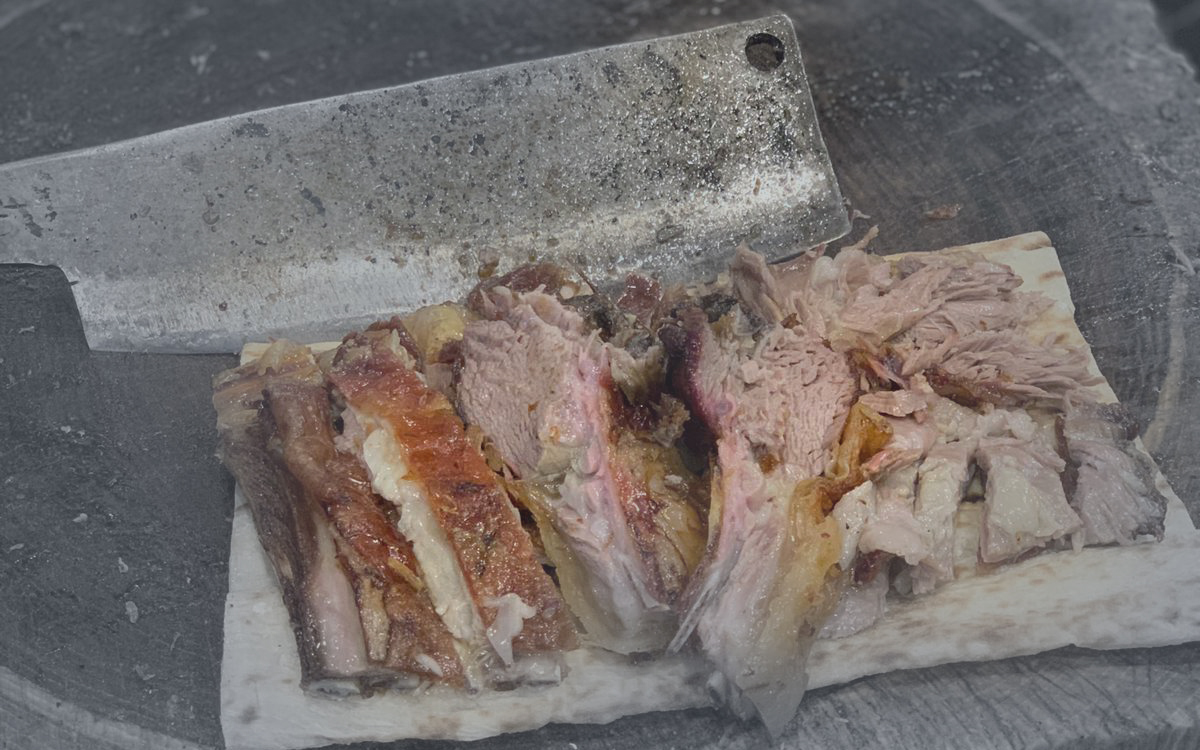 COĞRAFİ İŞARETLİ
DENİZLİ TANDIR KEBABI
Türk Patent Enstitüsü Coğrafi İşaret No: C2019/093 -
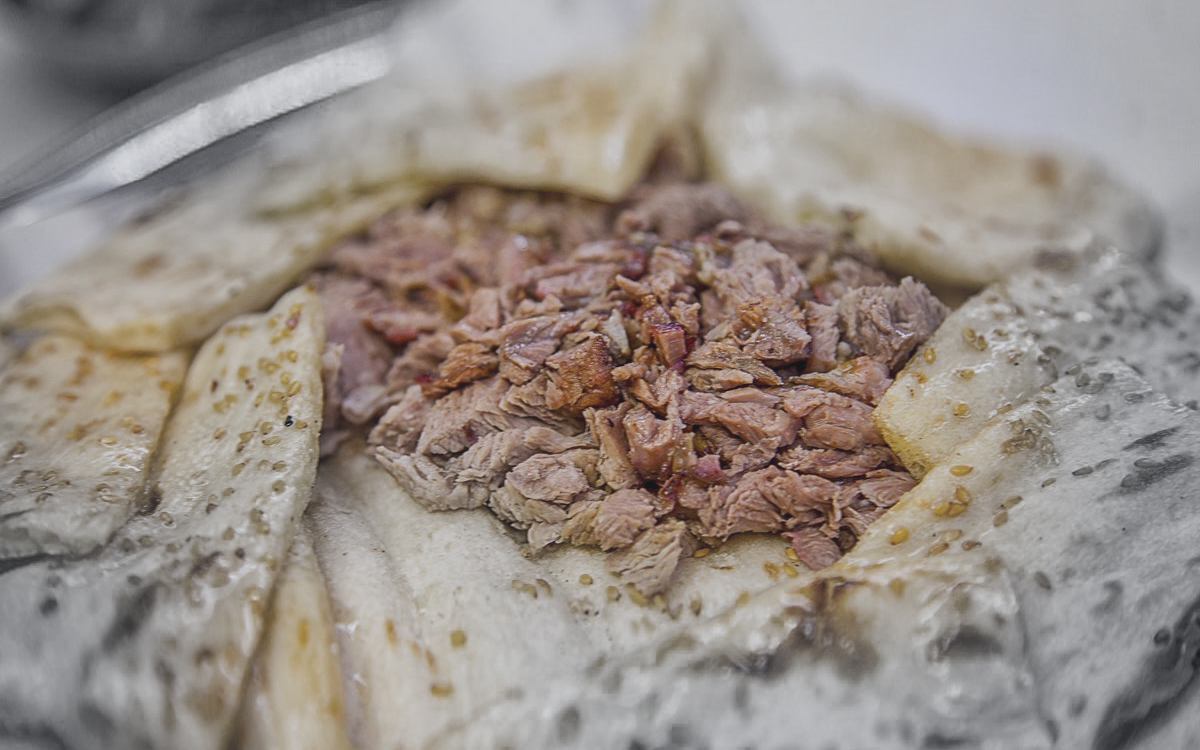 COĞRAFİ İŞARETLİ
DENİZLİ TANDIR KEBABI
Türk Patent Enstitüsü Coğrafi İşaret No: C2019/093 -
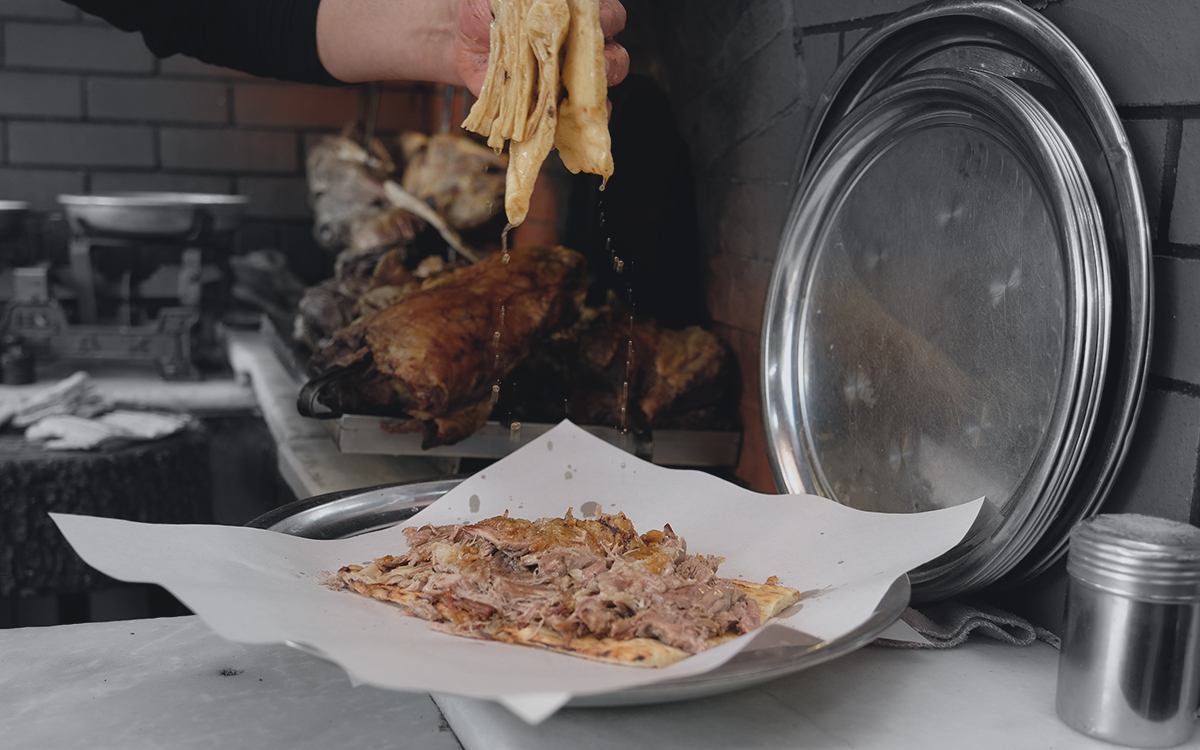 COĞRAFİ İŞARETLİ
DENİZLİ TANDIR KEBABI
Türk Patent Enstitüsü Coğrafi İşaret No: C2019/093 -
 COĞRAFİ İŞARETLİ
DENİZLİ TANDIR KEBABI
Türk Patent Enstitüsü Coğrafi İşaret No: C2019/093 -
 COĞRAFİ İŞARETLİ
DENİZLİ TANDIR KEBABI
Türk Patent Enstitüsü Coğrafi İşaret No: C2019/093
DENİZLİ KEBABI'NIN TARİHÇESİ
 Coğrafi İşaret
Denizli Kebabı

HOW IS IT PREPARED?
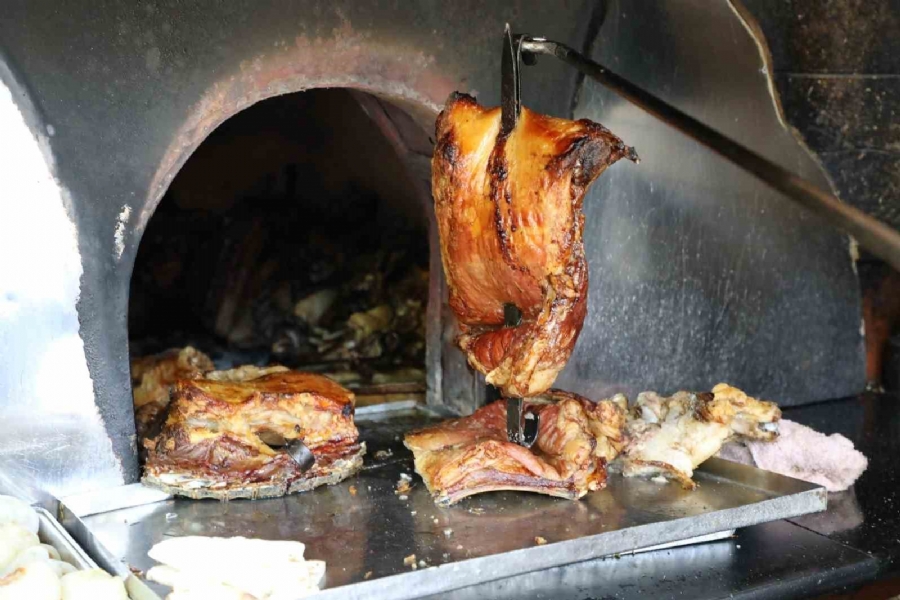
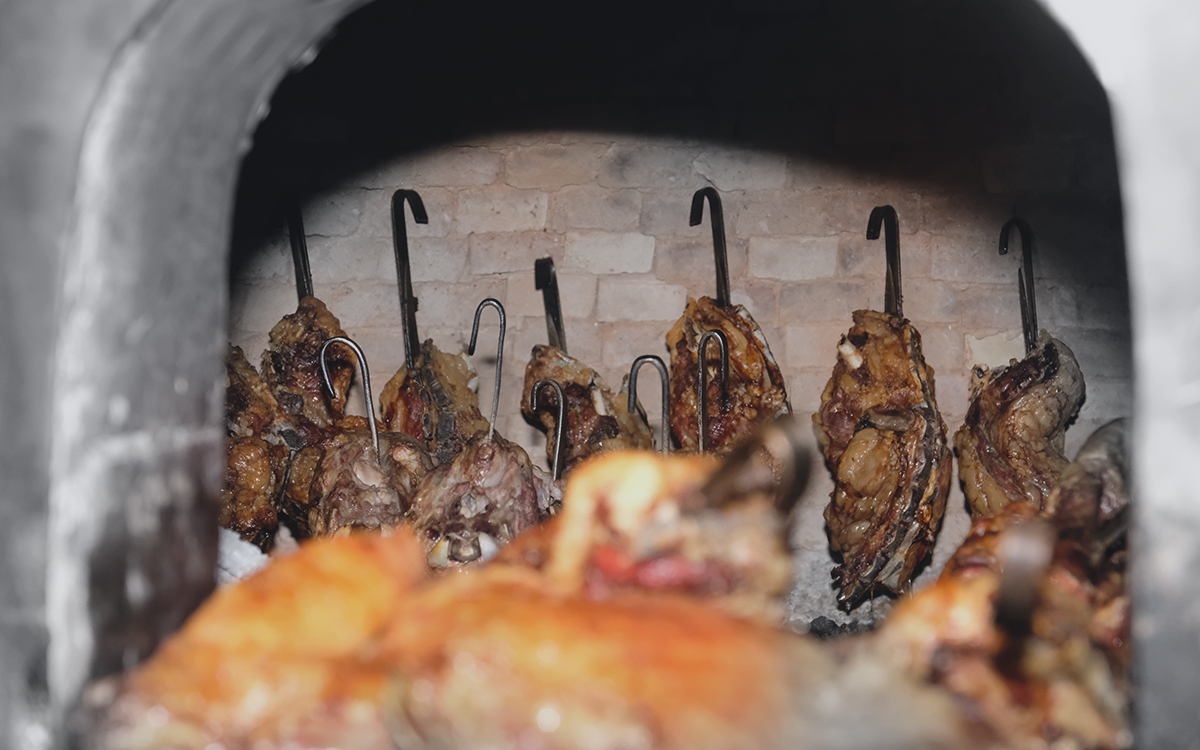
Denizli Kebabı özel olarak üretilen fırınlarda pişmektedir. Ateş tuğlasından yapılan
fırınlar ısıyı uzun süre muhafaza etmektedir. Fırının içerisinde sakız ağacı (çitlembik)
odunu kullanılmaktadır.Sakız odunun özelliği itibariyle uzun süre yüksek ısıda
yanmaktadır,aynı zamanda is,koku çıkarmamaktadır.
Kebap için genellikle yaşına girmemiş (6-12 aylık) erkek süt kuzuları tercih edilir.
Kebapçı tercihine göre kuzuyu kendisi de yetiştirebilir,belirli bir bölgeden de alabilir.
Her sabah saat 8 gibi kebap fırınında ateş yakılır. Fırın tavlanırken,bütün kuzu
boydan ikiye ayrılır,ikiye ayrılan her boydan ön kol,kürek (kol üstü),kaburga (Eğeği),Fleto (Böbrek Yatağı) olmak üzere dört parça ayrılır.
Sekiz parçaya ayrılan bütün kuzu, paslanmaz demir şişler ile iki tarafından
karşılamalı olarak şişlenir.Ön kol,kürek (kol üstü),kaburga (Eğeği) parçalarının
aralarına bütün kuzunun kuyruğundan yağ parçaları konulur. Fleto (Böbrek Yatağı)
parçasına ayrıca kuyruk yağı konmaz sırtında bulunan kendi yağı yeterlidir. Bunun
dışında hiçbir terbiye ya da işleme yapılmaz.
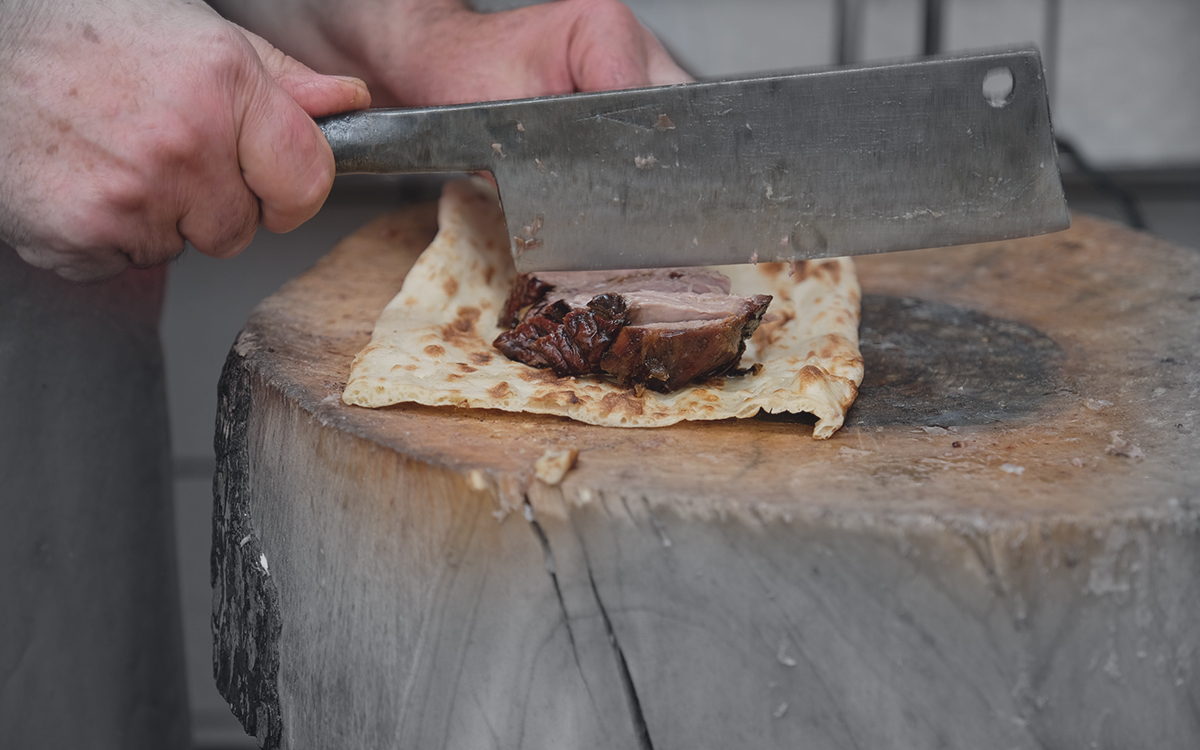
Nasıl Servis Edilir?
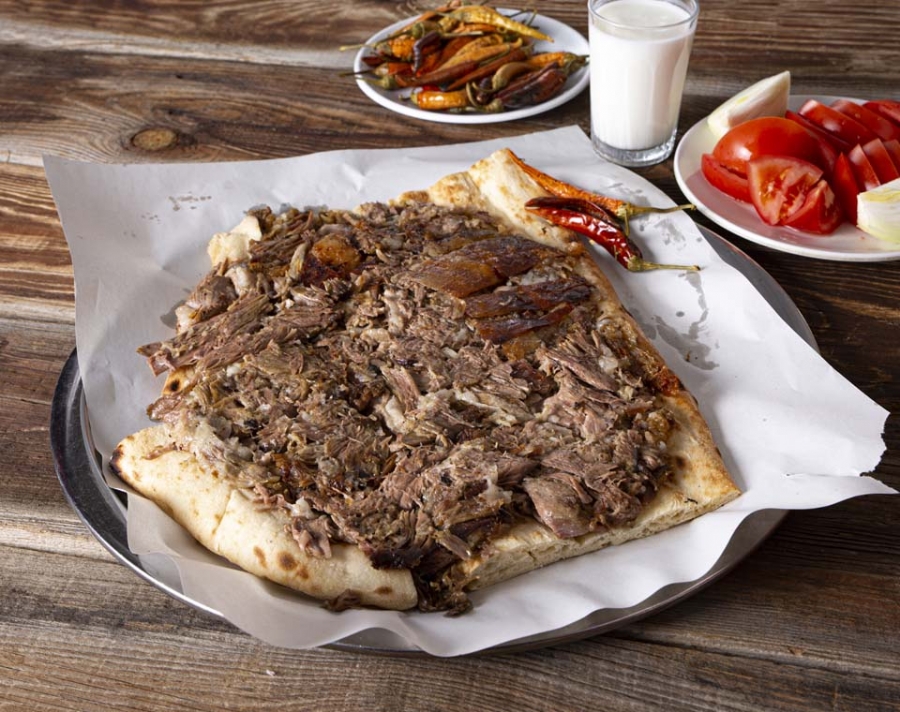
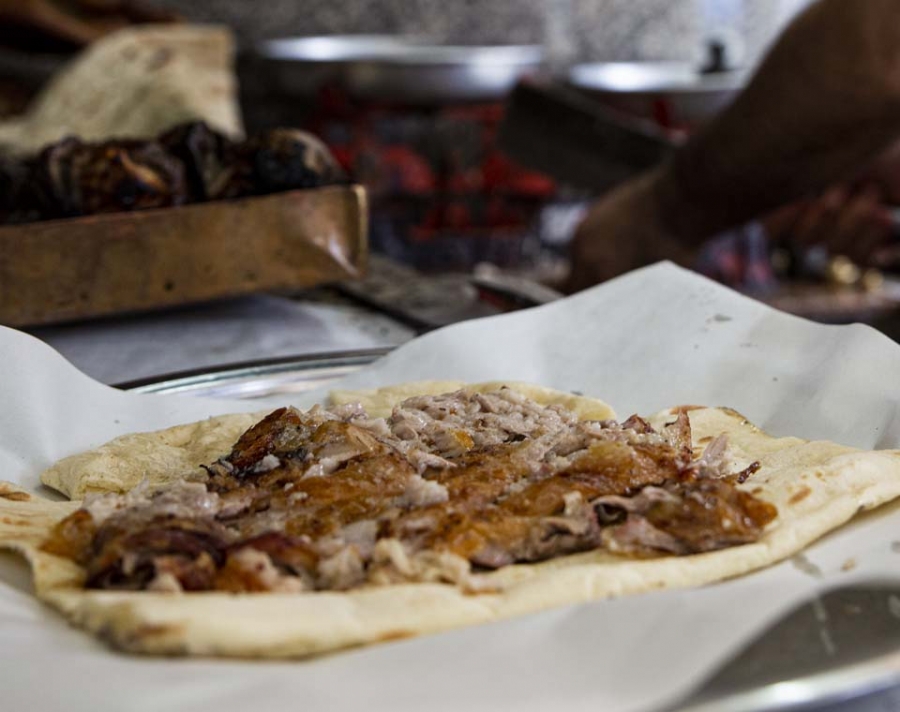
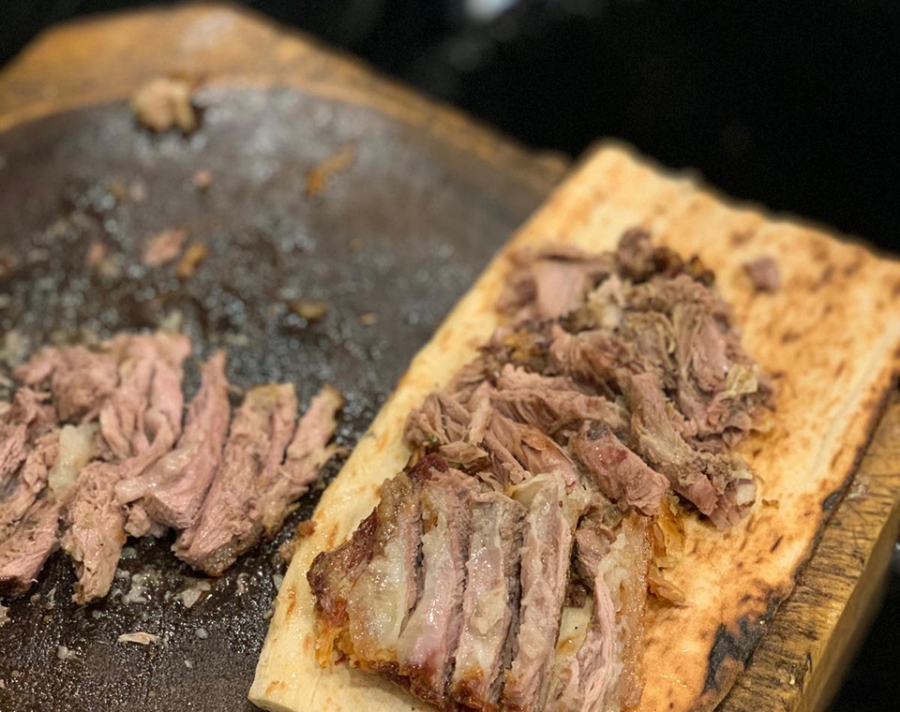
Fırında 2-3 saat arasında kendi yağı ile pişen Denizli Kebabı müşterinin tercihine
göre kemikli ya da kemiksiz olarak servis edilir. Müşteri kebabın yağlı, az yağlı, yağsız
kısımlarını tercih edebilir.
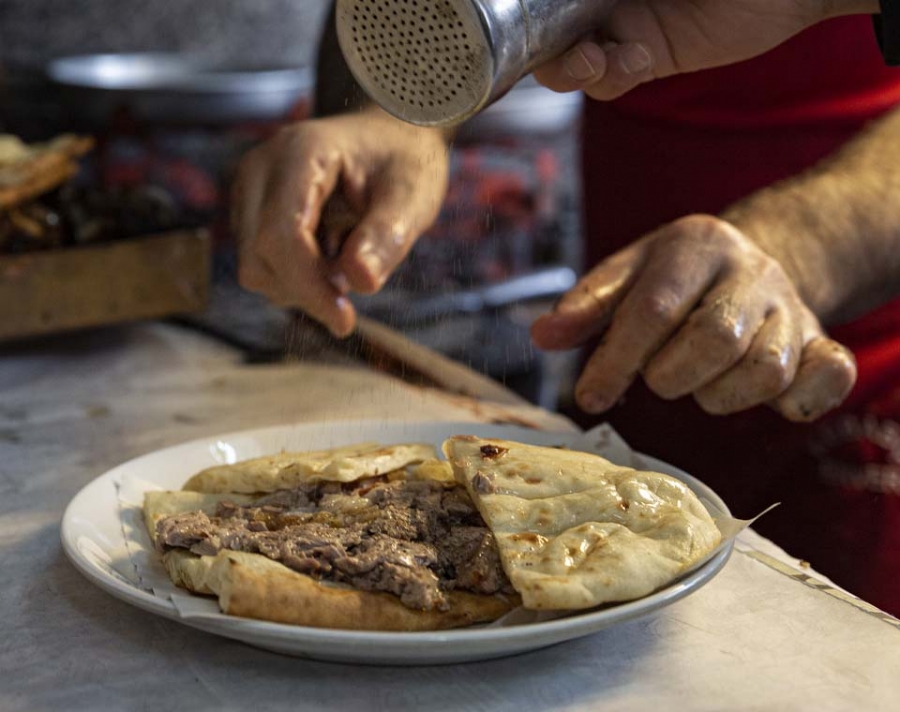
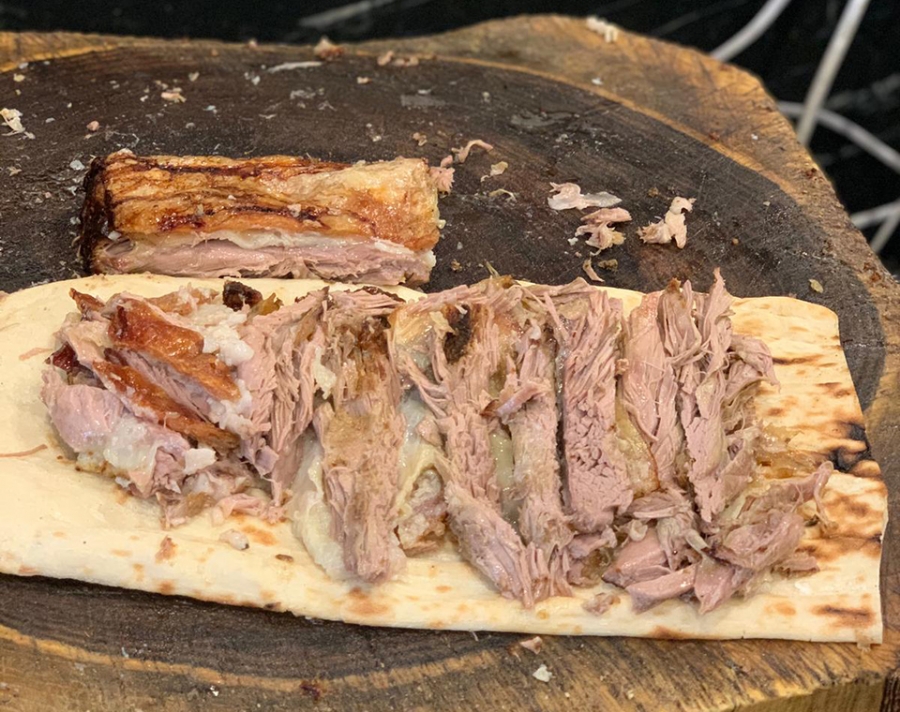
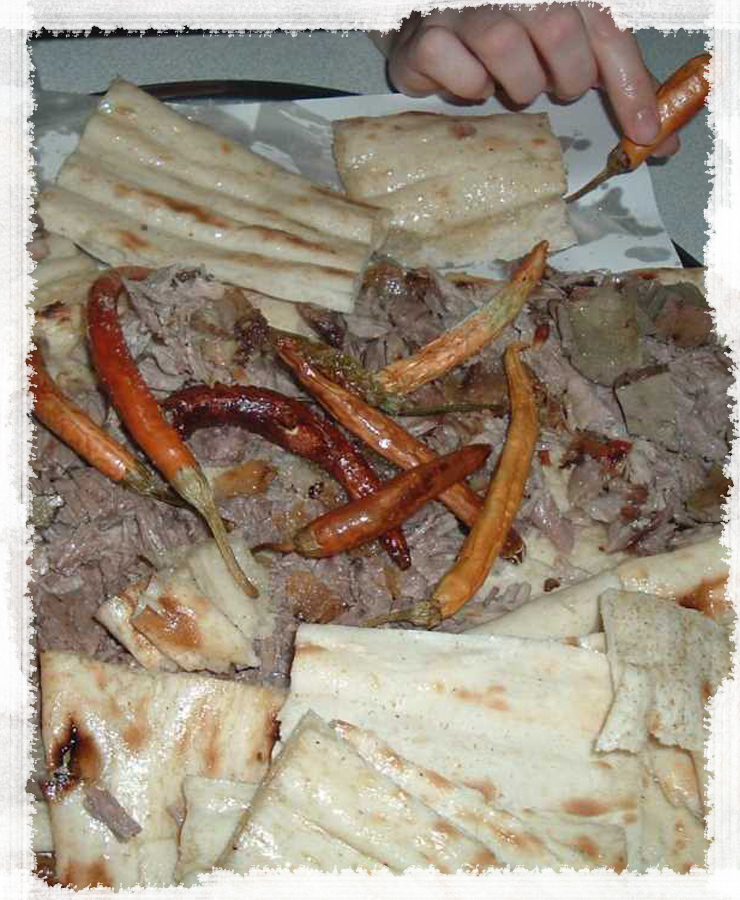
Denizli Kebabı servis edilirken hikayenin en başından beri yanında olan Kaleiçi
Pidesi ile servis edilir. Uzun süredir beraber olan bu ikili eşsiz bir lezzete dönüşür.
Denizli Kebabı tercihe göre ayran, şalgam, gazlı içeceklerle tüketilebilir, yanında
domates, yeşillik ve soğan ikram edilir.
Kebapçıların bir diğer özelliği ise hiçbir kebapçıda çatal, bıçak bulunmaz. Derler ki
Denizli Kebabı elle yenir, çatal bıçak kullanılmaz. İlk böyle ortaya çıkmıştır, bugünkü
ustalar geçmişteki ustalarına olan saygılarından ve hürmetlerinden dolayı çatal, bıçak
kullanmaz.